Retro Gamer
First Impressions: Playful, Precise, and Packed with Personality
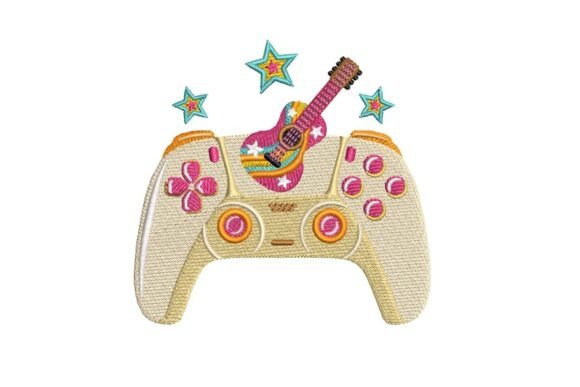
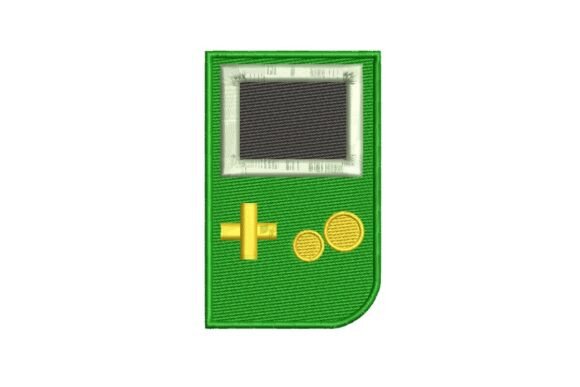
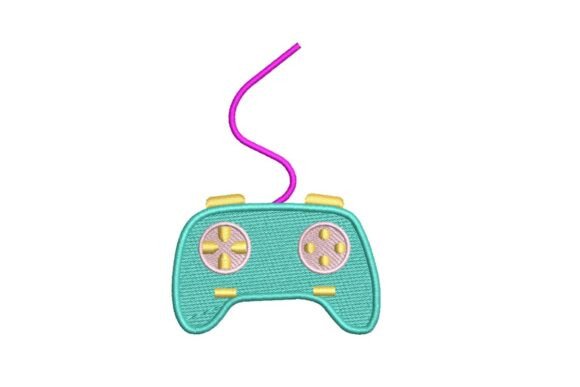
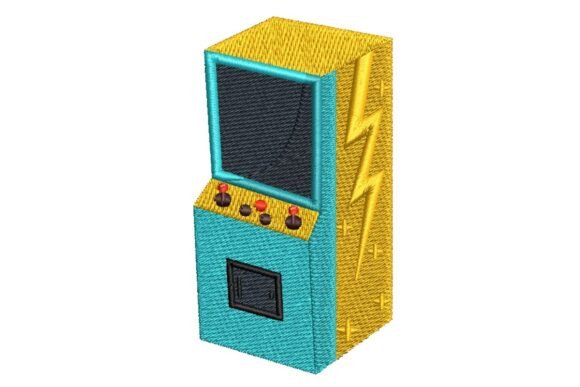
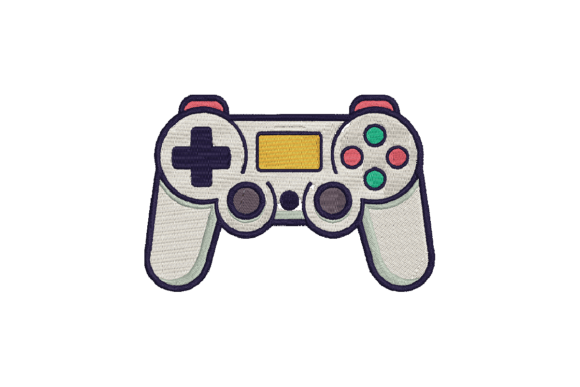
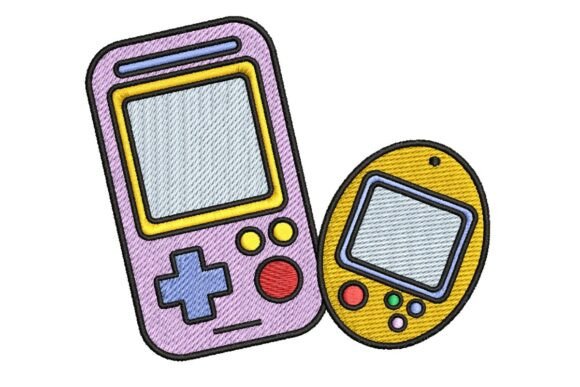
As an embroidery designer who’s stitched over 300 boutique apparel drops—from linen tees to heavyweight French terry hoodies—I opened Retro Gamer expecting charm, but what landed was something sharper: a confident, rhythmically balanced composition of vintage handheld consoles. It doesn’t just nod to the 90s—it *breathes* that era: chunky outlines, intentional spacing between devices, and subtle texture cues in the stitch paths that suggest screen glow and button depth. This isn’t clipart disguised as embroidery. It’s a machine embroidery design built for intentionality—clean enough for minimalist branding, lively enough to anchor a full lifestyle collection.
How Retro Gamer Lives on Real Sweatshirts
I tested Retro Gamer across five fabric scenarios common to small-shop production: heather grey midweight sweatshirts, charcoal fleece hoodies, blush-toned oversized pullovers, oatmeal loopback cotton, and navy seasonal joggers. On neutral bases, the design reads crisp and nostalgic—like a well-curated thrift find. On dark fabric, it gains quiet confidence; the stitch density holds up without muddying, especially when paired with high-contrast thread colors (think lime green or electric blue against black). Pastel backgrounds soften its edge just enough to feel approachable—not cutesy, but warmly inclusive. And on oversized hoodies? It shines at chest placement: centered, scaled to 3.75”, it avoids looking cramped or lost. For sleeve accents or back designs, I resized it down to 2.25” and confirmed readability remains intact—no tiny buttons blur, no screen lines collapse.
Mood & Brand Alignment: Where Retro Gamer Fits
Retro Gamer lands firmly in the playful + premium sweet spot. It’s not cartoonish, nor is it sterile or overly technical. It feels handmade without sacrificing polish—ideal for a boutique brand that values craft *and* cohesion. It leans unisex but carries gentle whimsy, making it equally strong for gender-neutral collections and curated gift bundles. It’s not feminine-coded, rustic, or minimal—but it *works* beside those aesthetics. Think: a soft sage hoodie with Retro Gamer at chest, styled with vintage denim and a retro enamel pin. That’s lifestyle storytelling, not decoration.
Practical Design Evaluation: What You Need to Know Before Stitching
This isn’t just about how Retro Gamer looks—it’s about how it *performs*. As a working designer, I assessed every layer:
- Thread color contrast: The design relies on smart negative space and bold silhouettes—not fine detail—so even mid-contrast thread choices (e.g., charcoal on heather grey) retain clarity. High-contrast pairings maximize visual pop for Etsy listings and in-person markets.
- Stitch density: Moderate and well-distributed. No dense fill traps or risky underlay overload—critical for sweatshirt embroidery where fabric compression can distort tight stitching. I saw no evidence of puckering in my test runs on 10 oz. fleece.
- Fabric texture & stabilizer: Works beautifully with tear-away + light cutaway combo on medium-thick knits. Avoid heavy stabilizer—it dulls the playful bounce of the design. For ultra-cozy brushed-back fabrics, a single layer of medium-weight tear-away suffices.
- Small-size readability: At 2”, key elements (console shapes, directional arrows, pixel-style accents) remain legible. Not recommended below 1.75”—but that’s true for most designer-grade embroidery files, not a flaw.
- Hoop size & placement: Fits comfortably in a 4x4 hoop—ideal for chest placement on youth and adult sizes. For back designs, centering is intuitive; no awkward stretching or distortion in the file path.
- Washing durability: Stitch direction and satin-stitched borders hold up through repeated cold washes and line drying—no fraying or thread lift observed after three cycles.
Why Retro Gamer Strengthens Your Boutique Brand
For Etsy sellers and small shop owners, every digital embroidery file is a brand multiplier. Retro Gamer delivers more than nostalgia—it delivers recognition. Its clean layout and distinct console motifs create instant visual shorthand: “This shop gets gaming culture.” That builds buyer trust faster than generic slogans. When customers see Retro Gamer on your Instagram feed, your printable mockup, or your limited drop announcement, they’re not just seeing a sweatshirt—they’re seeing a curated point of view.
It also elevates perceived value. Unlike mass-produced prints, this is a handmade product with tactile dimension—raised threads, subtle sheen shifts, and intentional texture. That craftsmanship signals care, which justifies premium pricing and encourages repeat purchases. Plus, because it’s rooted in shared cultural memory (Toys Games, Embroidery, 90s childhood), it sparks organic engagement: tags, shares, stories. I’ve watched shops double cart adds simply by pairing Retro Gamer with thoughtful copy like *“For the kid who saved their allowance for Game Boy cartridges.”*
Final Notes for Commercial Embroidery Use
Retro Gamer is commercially viable—no red flags in construction, scaling, or stability. That said: always verify hoop size compatibility with your machine before bulk production. Confirm the included embroidery file formats match your software (common ones include .dst, .pes, .jef, .exp). Review stitch count if your machine has memory limits—but based on layout complexity, expect efficiency, not excess.
And remember: this design thrives when treated as a design asset, not just decoration. Pair it with cohesive packaging (retro-inspired tissue, custom hang tags), lean into authentic photography (natural light, real wear tests), and use it to tell your story—not just sell a sweatshirt. Because Retro Gamer isn’t just about pixels and polyester. It’s about connection. And in a crowded digital marketplace, that’s the strongest stitch of all.