Retro Arcade Machine
First Impression: Bold, Nostalgic, and Instantly Recognizable
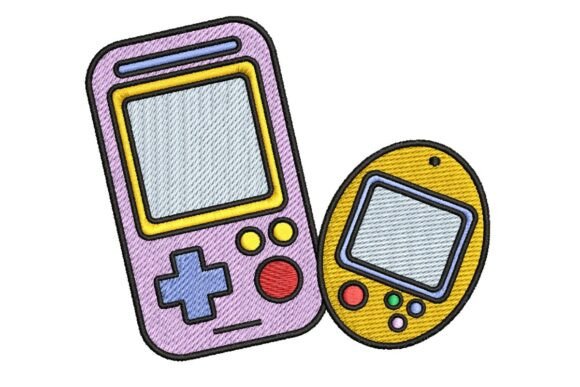
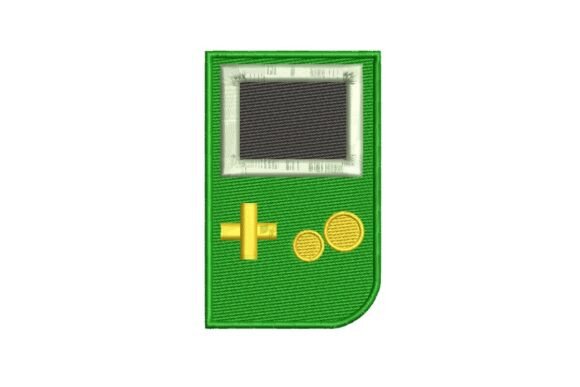
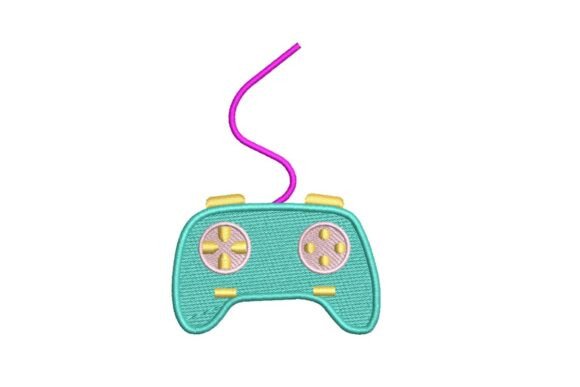
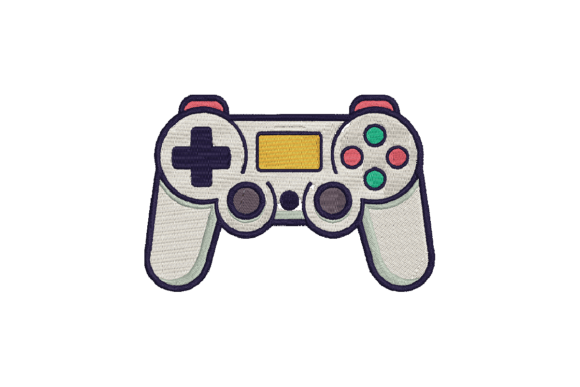
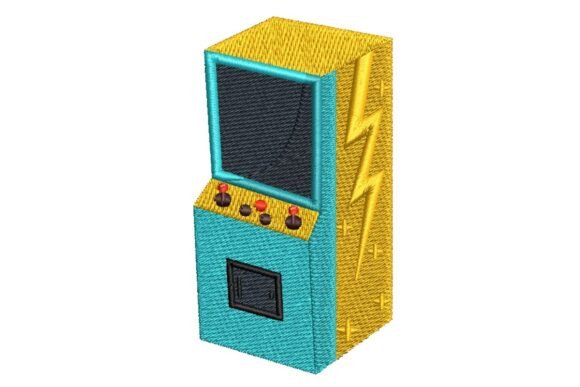
As an embroidery designer who’s prepped over 200 craft fair booths—and shipped thousands of digital embroidery files to Etsy sellers and boutique makers—I’ll say it straight: Retro Arcade Machine lands with energy. It’s not cute or rustic or minimalist. It’s bold, colorful, and unapologetically nostalgic—a visual punch of 80s gaming culture that cuts through the soft neutrals and botanical prints crowding today’s handmade markets. That “vintage arcade cabinet” description tells me this isn’t just a silhouette or icon—it’s a storytelling design. Customers at a craft fair don’t pause to decode subtlety; they grab what sparks joy, memory, or conversation. Retro Arcade Machine does all three.
Where It Shines: Craft Fair Products That Sell
In my booth setup—tote bags front and center, aprons draped over a vintage ladder, tea towels folded beside embroidered patches—Retro Arcade Machine performs strongest where scale and clarity align:
- Tote bag design: As a large focal piece (8–10" wide), it commands attention on canvas or heavy cotton. The bold lines and saturated color blocks translate beautifully in person—and photograph cleanly for Instagram and Etsy listings.
- Embroidered patch: When digitized well, this design scales down to 3.5–4" without losing its cabinet shape or joystick detail. Patches sell fast at craft fairs—especially when pinned to denim jackets or backpacks—and Retro Arcade Machine reads instantly as “gamer pride.”
- Apron embroidery: Centered above the pocket or on the bib, it adds personality without overwhelming. Game lovers (especially women aged 25–45) love functional items with playful flair—and this fits right into that sweet spot between hobbyist and collector.
- Small pouches & pillow covers: Works best at 5–6" wide. On linen-look pillow covers or cotton drawstring pouches, it feels giftable, intentional, and premium—not like a generic clipart transfer.
It’s less effective on curved surfaces (like baseball caps) unless simplified—more on that below.
What Holds It Back (and How to Fix It)
Not every surface is equal—and Retro Arcade Machine has real-world limits. Here’s what I check before cutting thread:
- Dense stitch areas: Arcade cabinets often include screen details, control panel textures, or neon trim. If those are overly dense, they’ll pucker on lightweight fabrics or bleed on dark thread. Always test on scrap fabric matching your final product’s weight and texture.
- Tiny details & small lettering: If the file includes “PAC-MAN” or “INSERT COIN” in micro-font, those won’t resolve on tea towel embroidery or small pouches. For kitchen textiles, simplify or omit text entirely—focus on shape and color instead.
- Fabric texture matters: On terry cloth tea towels, fine lines blur. I recommend using Retro Arcade Machine only on smooth, tightly woven cotton or linen blends for towels—and always double-layer stabilizer.
- Dark fabric warning: This design relies on contrast. If you’re stitching on navy or black, confirm the embroidery file uses bright thread colors (neon yellow, electric blue, cherry red) and avoid light grays or pastels in the palette.
Production Realities Every Seller Must Consider
This isn’t just about aesthetics—it’s about throughput, consistency, and perceived value. As a working embroidery designer, I ask:
- Is it easy to understand at a glance? Yes. Even from 6 feet away, customers recognize the cabinet shape, joystick, and vibrant palette. No decoding needed.
- Does it scale well across sizes? It works as both a 3" accent (patch, corner of a pouch) and a 9" statement (tote, pillow cover)—but avoid shrinking below 2.5". Clarity drops fast.
- How does it photograph? Extremely well—especially under natural light. The high-contrast colors pop on white or light gray backdrops, making printable mockups and Etsy listings effortless.
- Is it batch-friendly? Absolutely. Once dialed in, Retro Arcade Machine stitches consistently across similar fabrics. No tricky underlay or frequent thread changes—if the file is optimized.
Design Notes You Can’t Skip
Before adding Retro Arcade Machine to your next craft fair lineup, do these five things:
- Test the machine embroidery design on scrap fabric that matches your final product—same weight, weave, and dye lot.
- Check thread contrast: swap out dull oranges or muddy purples for true retro tones (think NES red, Atari blue, Pac-Man yellow).
- Review spacing and stitch density—especially around buttons, bezels, and screen borders. Tight clusters cause puckering on soft fabrics.
- Confirm hoop size compatibility. If your largest hoop is 5x7", verify the full design fits—or plan to split it (not ideal for a cohesive cabinet look).
- Use cutaway or medium-weight tear-away stabilizer for structured items (totes, aprons); switch to lightweight cutaway for tea towels and pouches.
Why It Belongs in Your Toys Games + Embroidery Lineup
Retro Arcade Machine isn’t just another digital embroidery file—it’s a ready-made hook for a passionate niche. Gamers, 80s collectors, retro tech enthusiasts, and parents buying handmade gifts for teen gamers all respond to it. It elevates a simple tote bag into a conversation starter. It transforms a plain tea towel into a collectible. And in a sea of floral and quote-based small shop products, it stands out with authenticity and energy. For Etsy sellers and handmade market vendors, that kind of differentiation drives repeat buyers, social shares, and booth traffic.
Just remember: your version of Retro Arcade Machine must feel intentional—not slapped on. Choose fabrics that support its boldness. Use thread colors that honor its roots. And always, always create at least one real mockup before ordering 50 tote bags. Because in the end, the most valuable part of any craft fair product isn’t the design—it’s the confidence behind it.