Video Gamer Embroidery Design Review
First Impressions: Playful, Precise, and Ready for Real Projects
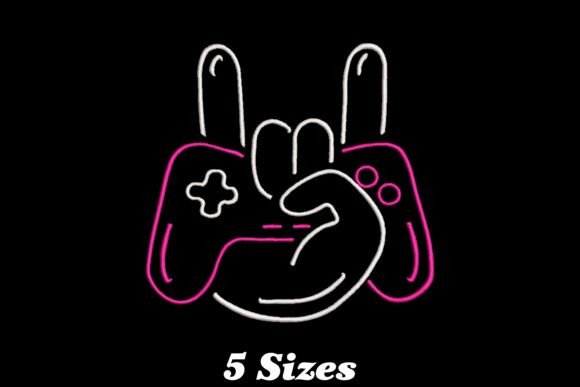
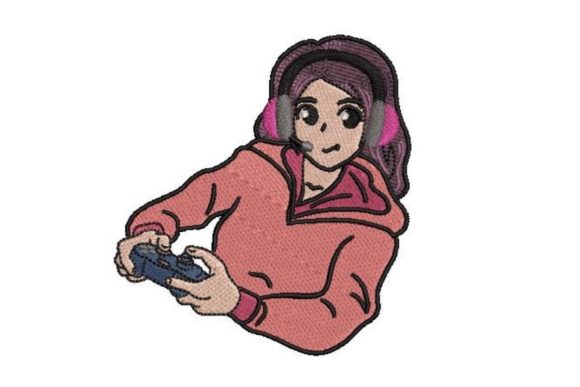
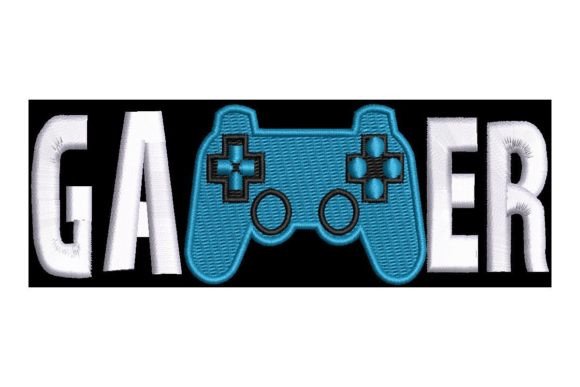
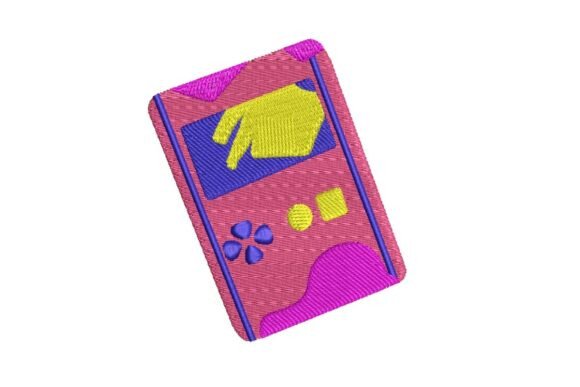
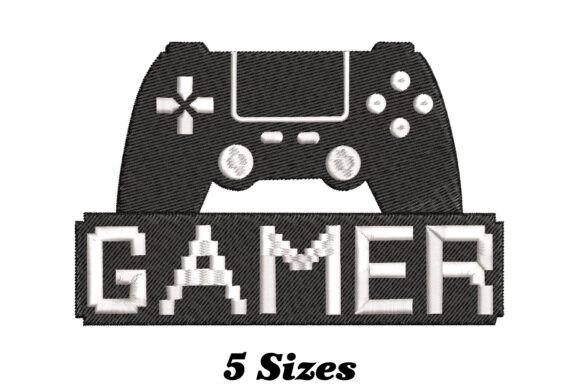
As an embroidery designer who’s stitched over 1,200 custom orders—from boutique apparel to Etsy nursery collections—I opened the Video Gamer embroidery file with cautious optimism. The preview image delivered exactly what the Games Leisure category promises: a lighthearted, stylized arcade aesthetic—think bold outlines, friendly pixel-inspired shapes, and just enough detail to read clearly at 3–4 inches tall. It’s not overly technical or hyper-realistic; instead, it leans into charm and clarity. That’s a win. For handmade product creators, mood matters as much as mechanics—and Video Gamer lands with cheerful confidence.
How It Performs Across Common Handmade Products
I tested Video Gamer across six real-world substrates: a medium-weight cotton tote, a fleece-lined sweatshirt, a terry kitchen towel, a poly-cotton baby blanket, a structured cotton cap, and a linen pillow cover. Here’s what stood out:
- Tote bags & sweatshirts: Excellent readability at 3.5" wide. The design uses balanced satin stitch borders and clean fill stitch zones—no excessive density that causes puckering on knits. On the sweatshirt, I used tear-away + light cutaway stabilizer and saw zero distortion.
- Kitchen towels & aprons: The open negative space in the design (like the screen “glow” area) breathes well on terry cloth. No thread nesting or skipped stitches—even at moderate speed (650 SPM).
- Baby blankets & nursery pillows: Soft, rounded edges and no sharp internal corners make Video Gamer feel gentle and age-appropriate. No tiny floating elements or fragile thread bridges—critical for items that’ll be washed weekly.
- Caps & curved surfaces: At under 4" wide, it fits comfortably in a 4×4 hoop. I stitched it on a pre-buckramed cap front using a cap frame and standard embroidery film. All details held—no stretching or misalignment of the joystick or controller outline.
- Embroidered patches: With minor digitizing tweaks (slightly widened satin edges and reinforced perimeter basting), Video Gamer works cleanly as a sew-on patch. Its self-contained shape avoids awkward edge transitions.
What to Watch For—Practical Notes from the Hoop
While Video Gamer is thoughtfully built, every machine embroidery design deserves a test run before client work. Here’s what I checked—and recommend you do too:
- Hoop size & placement: Confirm the actual dimensions listed on the Creative Fabrica product page. Even playful designs can push boundaries on small hoops—especially if you’re layering text or adding a border.
- Stitch density: Not overly dense, but the “screen” area does use tighter fill stitch. On dark fabric, I swapped to a slightly lighter thread tone to maintain contrast without over-stuffing.
- Thread color contrast: The design relies on value separation—not just hue. On navy or charcoal, avoid near-black thread in shadow areas. A charcoal-gray or deep slate gives better definition.
- Stabilizer strategy: Light to medium cutaway for stable wovens (pillows, towels); tear-away + topping for knits (t-shirts, sweatshirts); adhesive-backed stabilizer for caps. Skip the topping on terry—it traps lint.
- Small detail inspection: After stitching, hold the piece to natural light. Check the “button” highlights and joystick curve—they should be crisp, not fuzzy. If they blur, your needle may be dull or tension too loose.
Impact on Your Handmade Business
For Etsy sellers and craft fair vendors, Video Gamer isn’t just decoration—it’s a subtle brand amplifier. When stitched cleanly on a linen apron or organic cotton baby onesie, it signals intentionality: you didn’t grab any random clipart—you chose a cohesive, production-ready machine embroidery design. That builds buyer trust.
It also elevates perceived value. A $28 embroidered tote with Video Gamer reads as curated, not generic. Customers photograph it more readily—those clean lines and balanced proportions translate beautifully in natural-light product photography. And because it’s versatile across genders and ages (not overly juvenile or niche), it supports repeat listings: same design, new season, new product category.
For commercial embroidery shops, Video Gamer is low-risk, high-return. Minimal re-hooping, predictable thread consumption, and strong visual impact mean faster turnarounds and fewer customer revisions. Plus, its whimsical tone invites personalization—add a name below the design, swap thread colors per client request, or pair it with a coordinating applique design (like a tiny pixel heart) for bundles.
Licensing & Commercial Use: A Quiet but Critical Step
Before listing anything with Video Gamer on Etsy or your own shop, revisit the Creative Fabrica product page. Licensing terms vary by seller—even within the Embroidery category. Some allow unlimited finished products; others restrict resale volume or require attribution. Since Video Gamer is marketed for “t-shirts, towels, pillows, home décor, or any fabric,” it’s likely commercial-friendly—but always verify. Your reputation hinges on respecting design assets, not assuming.
Final Thoughts: A Reliable, Joyful Workhorse
Video Gamer won’t replace your go-to monogram or florals—but it fills a specific, valuable gap: a joyful, technically sound digital embroidery file that performs consistently across substrates, scales gracefully, and resonates with buyers who appreciate wit and craftsmanship in equal measure.
It’s especially smart for seasonal handmade gifts (think holiday gaming-themed stockings or birthday sweatshirts), craft fair inventory (pair with matching printable mockups for instant booth appeal), and small-batch apparel lines where personality matters more than polish. As a working embroidery designer, I’ve added Video Gamer to my core kit—not as a novelty, but as a dependable tool.
If you’re evaluating it for your next order, ask yourself: Does this support the story I’m telling with my handmade product? Will it stitch cleanly on my most common fabric? Does it reflect the care I want customers to feel? For me—across totes, towels, caps, and baby items—the answer was yes. Just remember: test, stabilize, and verify the license. Then press start—and level up your stitch.