★★★★☆4.2(394 reviews)
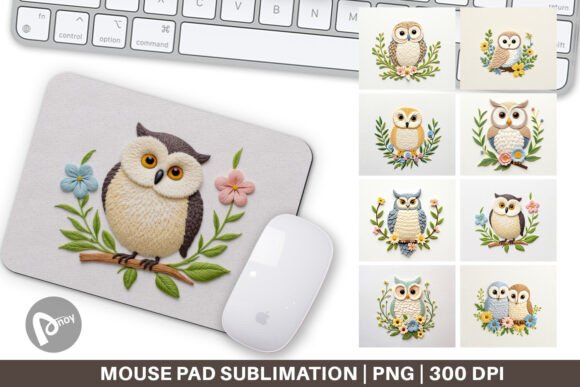
Mouse Pad Owl Embroidery
Where Mouse Pad Owl Embroidery Shines in Holiday Product Lines
- Sweatshirt embroidery: Centered on oversized crewnecks for family matching sets—especially effective in heather gray or oatmeal fleece.
- Tote bag design: Paired with minimalist “Cozy Season” text for farmers’ market shoppers and teacher gift bundles.
- Kitchen towel embroidery: Stitched on linen-cotton blends with subtle sage or terracotta thread for rustic holiday gifting.
- Pillow cover: As a focal point on 16” x 16” cotton canvas—ideal for Etsy listings with lifestyle photos showing nesting vibes.
- Embroidered patch: Iron-on backing added for scout troop gifts, baby onesies, or denim jacket accents.
- Ornament base: Transferred onto wool-blend felt circles with satin-stitched details—perfect for handmade ornament kits.
- Apron front panel: Positioned above the pocket for bakers and coffee roasters launching holiday-themed merchandise.
Real-World Considerations for Holiday Production
- Hoop size & stitch density: While the PNG files offer flexibility, always confirm the actual machine embroidery file’s hoop requirements. Dense fills may need medium-weight cutaway stabilizer on knits or stretchy fabrics.
- Fabric texture matters: Avoid heavy terry cloth kitchen towels unless you reduce fill density—otherwise, the owl’s soft features risk getting lost in the pile. Opt instead for smooth cotton or linen weaves.
- Thread colors on dark fabric: The design’s delicate eye details and feather layering demand high-contrast thread. Test matte black on navy twill or ecru on charcoal—avoid metallics unless you’re aiming for a luxe, limited-edition look (and have tested wash durability).
- Small hoop limitations: If stitching on baby bibs or mini ornaments, simplify inner details manually—or use the PNG as a guide for hand-embroidered versions where machine precision isn’t feasible.
Practical Designer Notes Before You Stitch
- Always test thread colors on both light and dark fabric swatches—especially for eyelashes, beak highlights, and wing contours.
- Review stitch density in the embroidery file—if not provided, assume moderate density and adjust based on fabric weight and intended use (e.g., lower density for baby items, higher for durable tote bags).
- Confirm hoop size compatibility with your most-used machines—don’t assume 4x4 is universal across your production line.
- Use appropriate stabilizer: tear-away for stable wovens, cutaway for knits, and water-soluble for delicate layers or lace overlays.
- Create realistic mockups—not just flat templates. Show the embroidered owl on a real pillow in natural light, or stitched on a half-zip sweatshirt draped over a chair.
- Check Creative Fabrica’s licensing terms carefully before selling commercial embroidery products—especially if bundling with other graphics or offering personalization services.
⬇️ Download Free
Free download · No sign-up required
🔗 You Might Also Like
Illustrations
As an experienced embroidery seller constantly scouting for fresh assets on Crea...
Illustrations
As an experienced embroidery designer specializing in commercial branding and me...
Illustrations
A Seasonal Designer’s First Look: Warm, Whimsical, and Ready for Holiday Gifting...
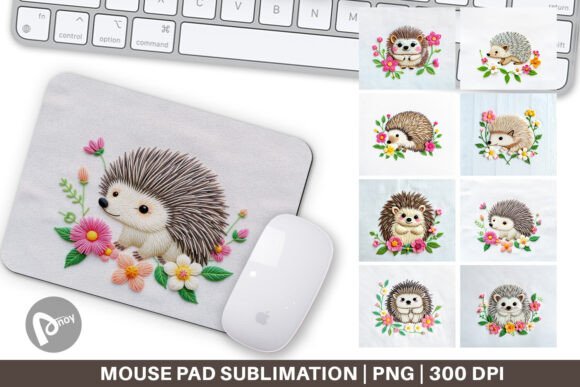
Illustrations
A Friendly, Playful Design with Real Business Potential As an embroidery designe...
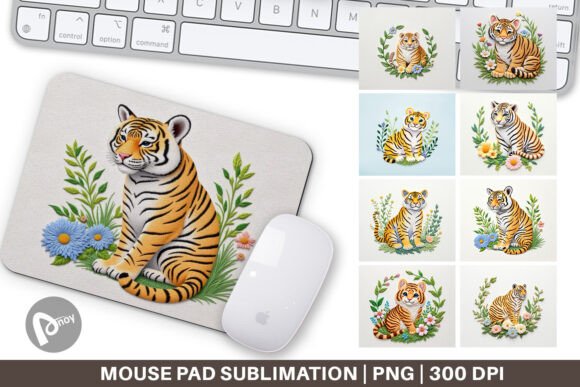
Illustrations
Where This Design Shines—And Where It Hesitates Tote bag front panel: Excellent ...
