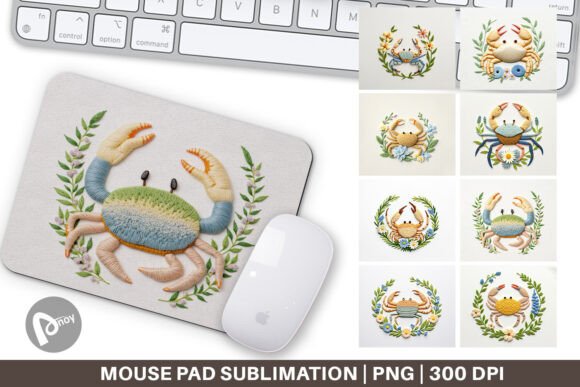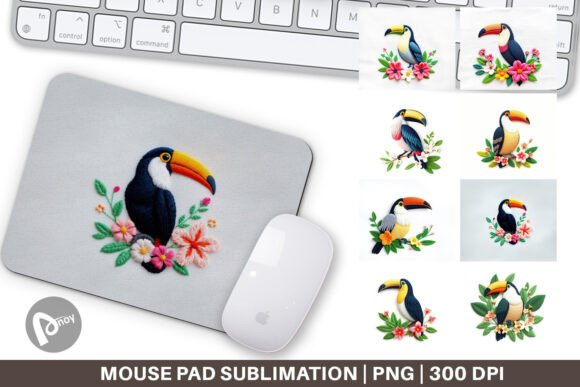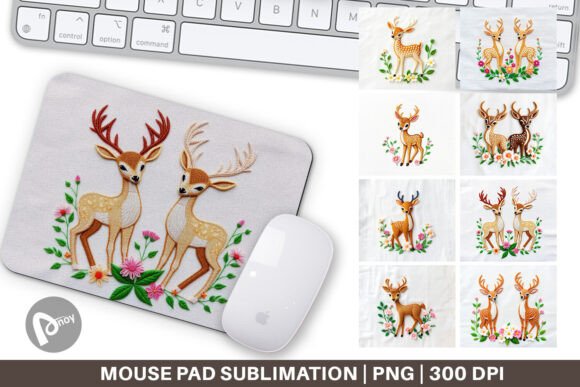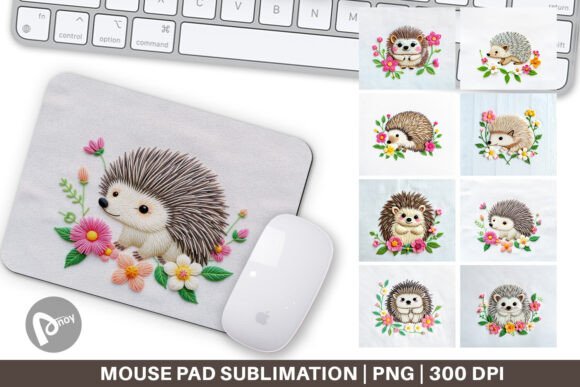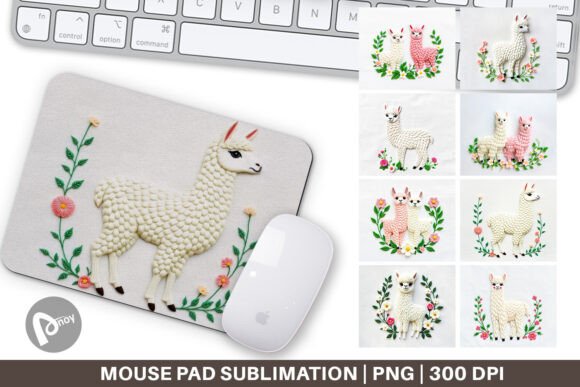
Mouse Pad Alpaca Embroidery
A Designer’s First Look: Charm, Clarity, and Craft Potential
As an embroidery designer who’s developed hundreds of patterns for baby blankets, wedding keepsakes, and Etsy shop bestsellers, I opened the Mouse Pad Alpaca Embroidery file with quiet curiosity—not just as a digital download, but as a potential emotional anchor for someone’s handmade gift. The first impression? Sweet, gentle, and quietly modern. It’s not overly detailed or fussy—no tiny antlers or micro-stitched fur—but carries expressive charm through soft contours, balanced negative space, and a posture that feels both curious and calm. That matters deeply when translating into stitch. This isn’t a “gaming mouse pad” design repurposed for fabric—it’s a clean, scalable illustration that breathes well in thread. Its mood lands squarely between playful and tender—ideal for baby embroidery, nursery decor, or a wedding gift that whispers rather than shouts.
Where This Design Truly Shines
The Mouse Pad Alpaca Embroidery excels where warmth and personality elevate everyday items. On a cotton-knit baby blanket? It reads as heirloom-worthy—soft, intentional, full of quiet joy. Stitched onto a linen pillow cover for a new mom’s nursery? It becomes a focal point that invites touch and conversation. For Etsy sellers and small shop owners, this is a versatile digital embroidery file that pairs beautifully with neutral palettes and natural fibers. Think: embroidered kitchen towels (especially in sage, oat, or blush), custom aprons for bakeries or craft studios, lightweight tote bags for baby showers, or even delicate blanket embroidery on organic cotton throws.
Wedding gift designers will appreciate how easily it adapts to monogrammed linen napkins or minimalist pillow covers—offering lighthearted elegance without competing with tradition. And because it’s rooted in illustration rather than photorealism, it translates gracefully across product types. As a personalized gift, it doesn’t demand names or dates to feel special—its presence alone conveys care. That builds customer trust: buyers sense intentionality, not mass production.
Smart Placement & Thoughtful Limits
That said, thoughtful execution is key. Because this design originates from the Illustrations category—and was created for sublimation on smooth, flat surfaces—some adaptations require extra attention. Avoid placing it on heavily textured fabrics like terry cloth towels or thick woven blankets without testing stitch density and stabilizer support first. Stretchy baby onesies? Not ideal unless you’re using lightweight tear-away stabilizer and reducing density by 15–20%. Curved surfaces—like the rounded edge of a mug cozy or the seam of a fitted crib sheet—can distort outlines; keep it centered on flat panels.
Small lettering isn’t part of this design (a relief!), but if you plan to add custom text nearby—“Est. 2024”, a baby’s name, or a wedding date—test spacing and legibility at your intended size. Dark fabric backgrounds also call for contrast checks: light thread may vanish without underlay stitches or a light-colored stabilizer peeking through. Always run a printable mockup before stitching on client orders—especially for high-value items like wedding keepsakes or custom baby products.
From File to Finished Product: Practical Embroidery Notes
Before stitching your first Mouse Pad Alpaca Embroidery piece for sale, do these five things:
- Test on scrap fabric that matches your final product’s weight and weave—linen behaves differently than quilting cotton, and terrycloth needs far more stabilization.
- Confirm hoop size compatibility: Though the PNG files are listed at 9.5 x (units unspecified), measure the longest dimension in your embroidery software to ensure it fits your standard hoops—especially important for pillow covers and tote bag panels.
- Review stitch density: Dense fills may overwhelm lightweight fabrics or cause puckering on knits. Adjust if needed—especially for baby embroidery where softness is non-negotiable.
- Choose stabilizer wisely: Cutaway for stretchy or unstable fabrics; tear-away for stable wovens; water-soluble for delicate top layers like organza overlays.
- Verify commercial licensing: Since this is a Graphics-category digital embroidery file, confirm whether resale of finished embroidered products is permitted—many designers require a small business license for physical goods.
Why Customers Connect—and Keep Coming Back
There’s something quietly magnetic about alpacas in handmade design—they evoke softness, resilience, and gentle individuality. That resonance lifts perceived value instantly. A customer scrolling Etsy isn’t just buying an embroidered towel; they’re investing in a moment of calm, a nod to slow living, a tactile memory. The Mouse Pad Alpaca Embroidery supports that narrative without needing explanation. In product photography, it pops against natural backdrops—wood grain, stone, linen folds—making your small shop product look intentional and cohesive.
For craft fair vendors and wedding gift designers, it’s a reliable conversation starter. Parents ask, “Is that for a baby shower?”; couples smile and say, “We have two alpacas on our farm!” That emotional connection drives engagement, repeat orders, and word-of-mouth referrals. And because it avoids seasonal clichés (no snowflakes, no hearts), it works year-round—ideal for inventory planning and evergreen listings.
Final Thoughts for Makers & Sellers
The Mouse Pad Alpaca Embroidery isn’t flashy—but it’s deeply functional for the handmade economy. It bridges digital convenience and tactile authenticity. When stitched with care, it transforms ordinary items into meaningful objects: a baby’s first blanket, a newlywed’s kitchen staple, a craftsperson’s signature tote. It respects the time and skill of the embroiderer while honoring the quiet significance of the gift itself.
If you’re an Etsy seller, a boutique gift shop owner, or a custom embroidery studio building a curated collection—this is a low-risk, high-reward addition. Just remember: test, adapt, and trust your instincts. Let the alpaca guide you—not toward perfection, but toward warmth, clarity, and real human connection.