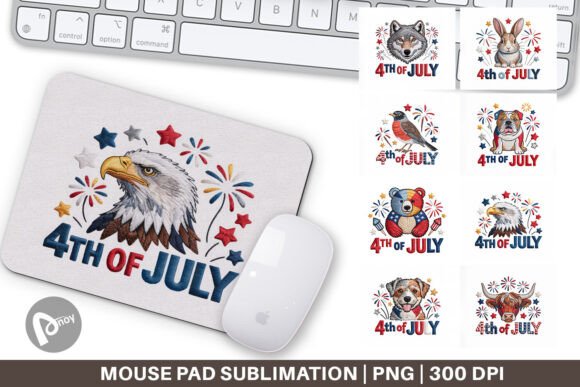
Mouse Pad 4th of July Animal Design Review
As an experienced embroidery designer preparing for the upcoming summer craft fair season, I am constantly evaluating new graphics to determine their viability as a craft fair product. When I first encountered the Mouse Pad 4th of July Embroidery Animal collection, my immediate assessment focused on its potential beyond the desk. While marketed as a sublimation graphic for workspace accessories, the aesthetic suggests a versatile, festive motif that translates beautifully into needle and thread. The design strikes a balance between patriotic tradition and whimsical charm, avoiding the overly aggressive political tone that can sometimes alienate buyers at family-friendly markets. Instead, it feels nostalgic, soft, and distinctly handmade, making it a prime candidate for adaptation into textiles.
First Impressions and Booth Display Potential
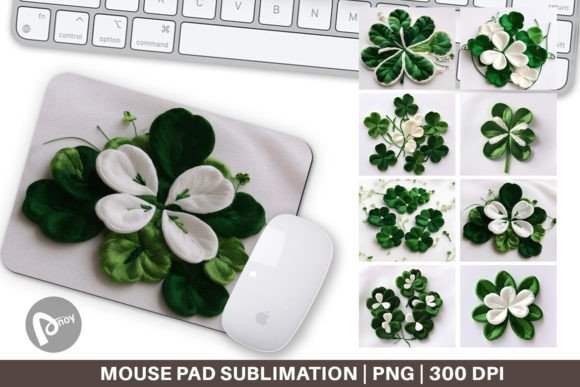
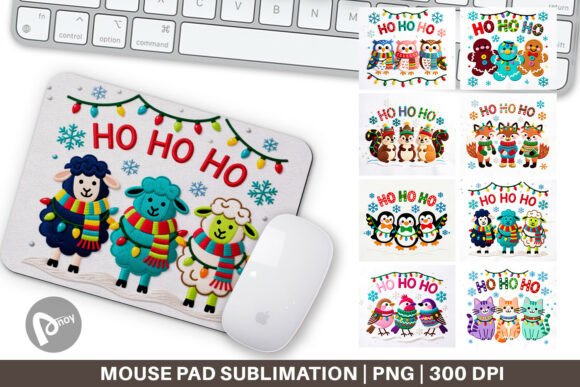
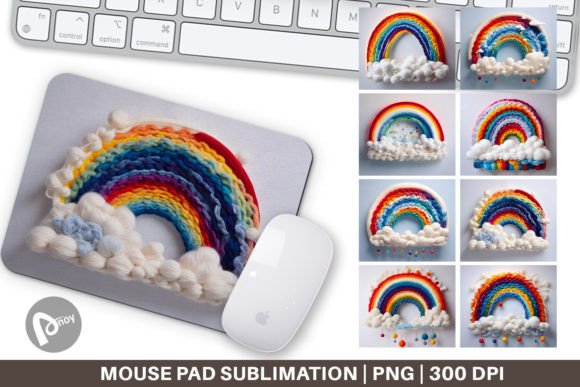
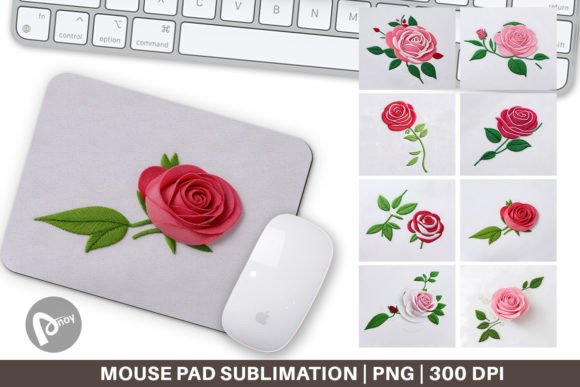
Upon reviewing the eight included PNG files, the visual impact is undeniably cute yet structured enough for professional commercial embroidery. The artwork possesses a bold clarity that is essential for booth visibility. In a crowded market environment where customers scan tables in seconds, this Mouse Pad 4th of July Embroidery Animal design reads instantly. It does not rely on microscopic details that get lost from five feet away; rather, it uses strong silhouettes and recognizable patriotic symbols integrated with animal characters. This creates an emotional hook that appeals to shoppers looking for seasonal decor or gifts.
For my own booth display, I envision this design serving as a vibrant color anchor. The red, white, and blue palette provides high contrast against natural linen backgrounds or neutral booth drapery. Unlike generic flag clip art, the animal element adds personality, suggesting a farmhouse or cottage-core vibe that is currently trending among Etsy seller demographics and boutique shoppers. It feels premium because it tells a story rather than just displaying a symbol, which increases perceived value and buyer engagement.
Best Applications for Textile Products
While the source material is intended for mouse pads, a savvy handmade product creator knows how to repurpose digital assets. Here is how I evaluate this specific graphic across various substrates:
- Tote Bag Design: This is arguably the strongest application. The playful nature of the animal suits canvas market bags perfectly. As a center chest or full-front placement, it transforms a utility item into a seasonal fashion statement.
- Tea Towel Embroidery: Kitchen linens are craft fair staples. This design works exceptionally well on flour sack towels because the festive theme aligns with summer hosting and barbecues. The graphic style allows for clean stitching on textured fabric.
- Apron Embroidery: For grill masters and bakers, this motif offers a lighthearted alternative to standard text-based aprons. Placing the animal on the bib or lower pocket area creates a focal point that photographs well for social media marketing.
- Embroidered Patch: Given the contained shape of many animal illustrations in this set, they are ideal candidates for patches. These can be sold as add-ons at the booth or applied to caps and denim jackets for higher margin sales.
- Fabric Pouches and Pillows: Smaller variations of the design work beautifully on zipper pouches or throw pillow covers, catering to customers who want subtle holiday decor without committing to large items.
Production Practicality and Batch Efficiency
From a production standpoint, time is money. A successful machine embroidery design must be efficient to stitch out repeatedly. The Mouse Pad 4th of July Embroidery Animal graphics appear to have distinct color blocks, which facilitates logical thread changes and minimizes jump stitches. This is crucial when running batches of ten or twenty tea towels before a weekend show. The designs seem scalable, meaning you could use the larger files for tote bags and resize smaller elements for pockets or tags without losing integrity.
Photographing these finished goods for online listings should also be straightforward. The high-contrast colors pop in natural light, and the recognizable subject matter reduces the need for extensive styling. When creating a printable mockup for your shop, ensure the digital representation matches the stitched texture to manage customer expectations regarding the final finished product.
Critical Technical Considerations for Stitch-Outs
Despite the visual appeal, converting a sublimation PNG into an embroidery file requires careful technical judgment. You cannot simply auto-digitize these graphics and expect retail-quality results. Pay close attention to the following:
- Stitch Density: Sublimation art often includes gradients and shading that do not translate directly to thread. You must manually adjust stitch density to prevent puckering on lighter fabrics like tea towels while ensuring coverage on darker canvas.
- Small Lettering and Details: If the animal design includes tiny text or intricate facial features, these may need to be simplified or enlarged. Standard embroidery needles cannot replicate pixel-level detail. Test these areas specifically to avoid thread breaks or illegible elements.
- Fabric Texture Interaction: On textured towels or waffle weave, fine details can sink into the weave. Use a water-soluble topping to keep stitches on the surface. Conversely, on smooth performance fabrics, ensure your underlay is sufficient to prevent distortion.
- Hoop Size Verification: Before purchasing or digitizing, confirm the dimensions fit your machine’s capabilities. The description mentions 9.5-inch sizing, but always verify your specific hoop size limits. Resizing complex designs by more than 20% can compromise stitch quality.
- Thread Colors: Patriotic reds and blues vary wildly between brands. Select thread colors that match the vintage or modern tone of the graphic. A bright neon blue might clash with a rustic farmhouse aesthetic, so curate your palette intentionally.
Designer Notes for Commercial Success
Before listing any item derived from the Mouse Pad 4th of July Embroidery Animal collection, conduct thorough due diligence. Always test the digitized version on scrap fabric identical to your sellable goods. Check the stabilizer choice; a cutaway is usually safer for wearables like aprons, while tear-away may suffice for sturdy tote bags. Create at least one physical sample to photograph, as real-life textures sell better than digital renders alone.
Furthermore, review the licensing terms associated with these design assets. Ensure you have the right to sell physical embroidered products commercially. Some digital files are restricted to personal use or sublimation only. Clarifying this protects your business and ensures ethical practices within the crafting community. Finally, compare your fabric colors against the digital file to ensure harmony. A navy towel might require a lighter outline thread to make the design visible, whereas a white towel allows the true colors to shine.
Ultimately, this collection represents a strong opportunity for creative entrepreneurs. By treating the Mouse Pad 4th of July Embroidery Animal not just as a desk accessory graphic but as a foundational element for a broader seasonal textile line, you maximize your return on investment. Whether you are stocking an Etsy shop or setting up a booth this July, thoughtful adaptation and rigorous testing will turn these attractive PNGs into best-selling handmade treasures.