Handmade with Love: A Craft Fair Design Review
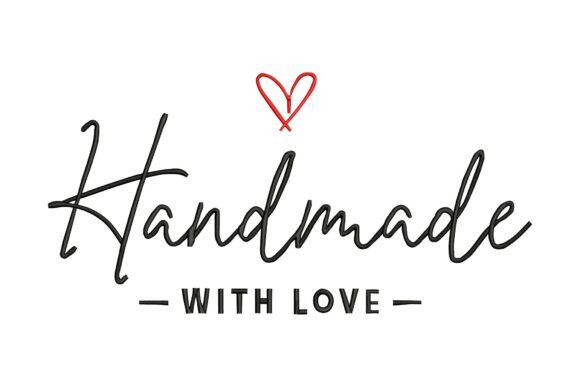
As an experienced embroidery designer preparing for a weekend craft fair, I approach every new machine embroidery design with a critical eye. It is not enough for a file to simply digitize well on screen; it must perform under the bright lights of a vendor booth and withstand the scrutiny of customers who value quality over mass production. When evaluating the "Handmade with Love" design for my upcoming market table, my primary focus is on its commercial viability and aesthetic versatility. This elegant typography piece features a sophisticated script font that immediately signals warmth and artisanal quality, but translating that digital promise into a profitable craft fair product requires strategic planning and practical testing.
First Impressions and Booth Appeal
The initial impression of Handmade with Love is undeniably soft yet premium. Unlike bold, blocky fonts that scream for attention from a distance, this sophisticated script invites the customer to step closer. In the context of Sewing Crafts, this design strikes a delicate balance between rustic charm and modern elegance. It does not feel kitschy or overly festive; rather, it feels like a genuine signature of quality. For a booth display, this is crucial. Customers at handmade markets are often fatigued by generic slogans. This design offers a moment of visual quietude that suggests care and intention.
However, because the font is sophisticated and likely contains varying stroke widths, readability is my first technical concern. At a glance, does the script flow naturally, or do the connections look jagged? For a handmade product to sell, the lettering must look fluid, mimicking the motion of hand-calligraphy rather than rigid digital output. If the design passes this visual test, it becomes a powerful anchor for a table display featuring neutral linens, natural cottons, and warm wood accents.
Evaluating Product Applications for Market Sales
Determining where to place Handmade with Love is just as important as the stitching itself. Based on the elegant nature of the script, I have identified specific high-potential applications for my inventory:
- Tea Towel Embroidery: This is arguably the strongest application. The script complements the linear weave of flour sack towels or linen blends. Positioned in the bottom right corner or centered above a decorative stripe, it transforms a utility item into a giftable keepsake.
- Tote Bag Design: Canvas totes are craft fair staples. Handmade with Love works best here as a subtle branding element rather than a massive centerpiece. Stitching it in a tone-on-tone thread color (e.g., cream thread on natural canvas) creates a high-end boutique look that appeals to discerning shoppers.
- Apron Embroidery: For culinary or maker aprons, this design adds a personal touch without being overwhelming. Placing it on the chest bib or the lower hem reinforces the narrative of the wearer as a creator.
- Embroidered Patch: Creating standalone patches allows for versatile selling. Customers can buy them to iron onto denim jackets or existing bags. The script must remain legible at smaller sizes for this to work effectively.
- Pillow Covers and Pouches: These items allow for larger hoop sizes, letting the sophisticated script breathe. They serve as excellent upsell items next to higher-priced quilts or garments.
Production Practicality and Batch Efficiency
For an Etsy seller or small shop owner, time is money. A beautiful design is useless if it takes three hours to stitch or causes frequent thread breaks during batch production. When reviewing the embroidery file for Handmade with Love, I assess the pathing and jump stitches. Sophisticated scripts can sometimes be digitized with excessive trims, which slows down production and leaves messy backs that require tedious cleanup. Ideally, this design should have optimized connectivity to minimize stops.
Photographing this design for online listings also requires consideration. Script fonts can disappear in low-contrast photos. When creating a printable mockup or listing photo, I ensure the lighting highlights the texture of the stitches. The sheen of rayon or polyester thread against matte fabric helps the design pop in digital thumbnails. Furthermore, because this design relies on elegance, consistency is key. Every finished item in a batch must use identical placement and tension settings to maintain brand integrity across the collection.
Critical Technical Considerations and Careful Use Notes
While Handmade with Love is versatile, it demands respect for technical limitations. As a professional, I must flag several potential pitfalls before loading the digital embroidery file into the machine:
- Fabric Texture Compatibility: Sophisticated scripts often feature thinner connecting lines. On highly textured fabrics like terry cloth or waffle weave, these thin stitches can sink into the pile and become invisible. Always use a water-soluble topping when embroidering this design on textured surfaces to keep the stitches floating on top.
- Stitch Density and Stabilizer: Elegant typography can sometimes be dense to achieve smooth satin edges. If the stitch density is too high for lightweight fabrics like voile or thin cotton, it will cause puckering. Conversely, insufficient stabilizer on stretchy knits will distort the script. Match your stabilizer weight strictly to the fabric and the design's density.
- Small Lettering Clarity: If resizing the design for tags or small labels, verify the minimum height. Reducing a sophisticated script below its intended size can cause the inner loops of letters to fill in, creating illegible blobs. Always check the digitizer’s recommended minimum size.
- Curved Surfaces: Stitching this on caps or curved pouches requires specialized hooping. The horizontal flow of a script can look warped on a curved surface if not properly arced during digitizing. Test on a curved scrap first to ensure the baseline remains visually straight to the human eye.
- Thread Colors and Contrast: Dark thread on dark fabric kills the elegance of this design. High contrast or tonal variation is necessary to showcase the font details. Metallic threads can add luxury but increase breakage risk; reserve them for premium, higher-priced items only.
Designer Protocol: Testing Before Selling
I never take a commercial embroidery design straight to a sellable product without a rigorous validation process. My protocol for Handmade with Love includes the following non-negotiable steps:
- Scrap Fabric Test: Stitch the design on the exact fabric intended for sale, using the exact thread colors and stabilizer combination. Screen rendering is deceptive; only physical stitching reveals tension issues.
- Hoop Size Verification: Confirm the design fits comfortably within your available hoops with adequate margin for clamping. Crowding the hoop leads to registration errors, especially in fine script details.
- Real Mockup Creation: Create at least one physical sample for photography and booth display. Digital mockups are useful for listings, but customers at craft fairs need to touch and see the real finished product.
- Licensing Confirmation: Before producing inventory, review the license terms included with the design assets. Ensure you have the rights to sell physical items embroidered with this design, and note any limits on quantity or digital redistribution.
- Spacing and Alignment Check: If combining Handmade with Love with other elements (like a heart icon or border), verify the spacing physically. What looks balanced on a monitor may look cramped in thread.
Final Verdict for Creative Entrepreneurs
Handmade with Love holds significant potential for boosting the perceived value of small shop product lines. Its strength lies in its ability to elevate simple blanks into meaningful gifts through sophisticated typography. For the creative entrepreneur, success with this design depends less on the digitizing itself and more on the thoughtful application. By respecting the technical needs of script embroidery and strategically placing the design on products that align with its elegant mood, you can create a cohesive, sellable collection. Whether you are stocking an Etsy shop or setting up a weekend booth, let this design serve as a testament to the quality and care inherent in your business. Always prioritize testing, understand your materials, and let the craftsmanship speak as loudly as the words themselves.