Girly Coquette Bow Embroidery File Review
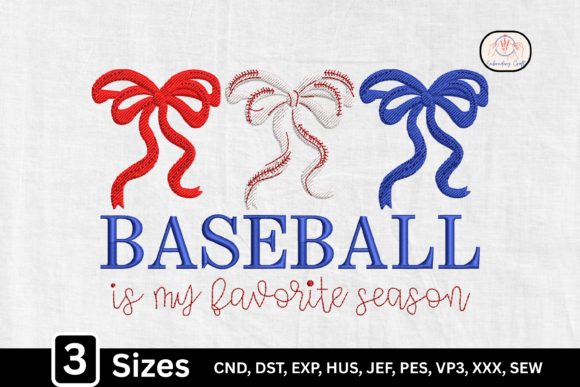
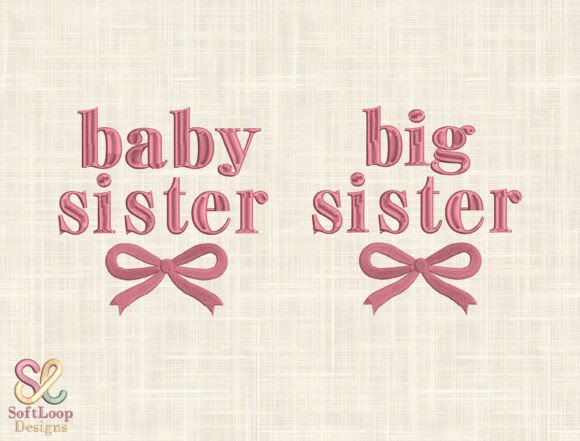
As I prepare my booth inventory for the upcoming weekend craft fair, I am constantly evaluating which digital assets will translate into physical sales. The current market is heavily saturated with trends that come and go quickly, but the coquette aesthetic has shown remarkable staying power in the handmade community. When reviewing the Girly Coquette Bow Embroidery File, specifically the Big Sister Baby Sister Matching Set, I am looking at more than just a cute graphic; I am assessing a high-potential craft fair product that targets a specific, emotionally driven demographic. This review breaks down how this design performs from a professional production standpoint and where it fits best in a commercial embroidery lineup.
First Impressions: Soft Elegance Meets Sibling Sentiment
Upon loading the embroidery file into my software, the immediate impression is one of soft, feminine elegance. Unlike bold, blocky collegiate fonts or rustic farmhouse styles, this design leans into delicate lines and romantic styling. It feels premium rather than generic. For an Etsy seller or boutique maker, this distinction is vital. Customers browsing through hundreds of listings stop for designs that evoke a feeling. This set captures the "precious bond" mentioned in the description without being overly cloying. The typography appears balanced, suggesting that the digitizer understood the importance of readability alongside style. In the Babies Kids Quotes category, this balance is difficult to achieve, but this design seems to hit the sweet spot between trendy and timeless.
Best Product Applications for Market Day
When planning a table display, versatility is key. I need items that showcase the design while serving different price points. Here is how I evaluate the Girly Coquette Bow Embroidery File across various blank products:
- Tote Bag Design: Canvas totes are a staple for mothers. This design works exceptionally well centered on a natural or cream canvas tote. The contrast of dark thread against light fabric makes the intricate bow details pop from a distance, drawing customers into the booth.
- Apron Embroidery: For mom-and-me sets, placing the "Big Sister" text on a child-sized apron and a coordinating motif on an adult apron creates an irresistible upsell opportunity. The design scale must be adjusted carefully here to fit smaller chests without losing detail.
- Tea Towel Embroidery: Waffle weave or flour sack towels provide a smooth surface for detailed stitching. These make excellent low-cost add-ons at checkout. The sentimental nature of sibling bonds makes these towels giftable keepsakes rather than just kitchen tools.
- Embroidered Patch: Creating standalone patches allows customers to customize their own denim jackets or backpacks. This extends the life of the design beyond traditional blanks and appeals to a younger demographic attending the fair.
Production Practicality and Batch Efficiency
A beautiful digital embroidery file is useless if it takes three hours to stitch out or causes excessive thread breaks during batch production. From a manufacturing perspective, this design appears optimized for efficiency. The inclusion of both titles in a coordinating set means I can hoop multiple items or use multi-needle machines to run "Big Sister" and "Baby Sister" variations simultaneously. This repeatability is crucial for maintaining profit margins on handmade products.
Photographing this style requires attention to lighting. Because coquette aesthetics rely on subtlety, flat lays with natural light work better than harsh flash photography. For online listings, creating a printable mockup or photographing the design on textured linen helps convey the tactile quality that digital screens often miss. Buyers need to see how the stitches interact with the fabric texture to understand the value of the finished good.
Critical Technical Considerations and Careful Use Notes
Even the best machine embroidery design has limitations. As a designer, I must flag potential pitfalls before committing to a full production run. The coquette style often utilizes thinner, script-like lettering and delicate satin stitches for bows. This presents specific challenges:
- Fabric Texture Compatibility: Avoid highly textured terry cloth or thick fleece for this specific file unless using a heavy water-soluble topping. The fine details of the bow and script can get lost in the pile of plush fabrics. Smooth cottons, linens, and tight-weave canvases are safer bets for clarity.
- Small Lettering Clarity: If resizing the design down for infant onesies or small pouches, verify the minimum text height. Script fonts can become illegible if reduced below 4mm cap height. Always check the stitch density after resizing to prevent puckering or thread buildup.
- Curved Surfaces: Stitching this on caps requires careful hooping. The horizontal spread of sibling matching sets can sometimes distort on curved cap bills. Test on a scrap cap first to ensure the baseline remains straight and the bow doesn't warp.
- Thread Contrast: Dark fabric requires light thread, but white thread on black fabric can sometimes look stark against a soft coquette aesthetic. Consider using cream, blush, or metallic threads to maintain the gentle vibe while ensuring visibility.
Designer Notes for Commercial Success
Before listing any commercial embroidery products derived from this file, professional due diligence is non-negotiable. First, confirm the licensing terms included with the purchase. Ensure you have the right to sell finished goods, as some files restrict usage to personal projects only. Next, always create at least one physical sample. Do not rely solely on screen simulations. A real-world test reveals tension issues, stabilizer adequacy, and true color interactions that software cannot predict.
Check your hoop size requirements before purchasing. Some matching sets are designed for larger hoops to accommodate long phrases. If you only have a standard 4x4 hoop, verify that the file includes split versions or appropriately sized individual elements. Finally, inspect the design assets for jump stitch optimization. Excessive trims slow down production and increase finishing time. A well-digitized file should minimize jumps, allowing for faster turnaround times during busy craft fair seasons.
Elevating Booth Appeal and Customer Engagement
Ultimately, the Girly Coquette Bow Embroidery File serves as more than just a decoration; it is a conversation starter. At a craft fair, visual merchandising dictates traffic flow. Grouping the Big Sister and Baby Sister items together creates a vignette that tells a story. Shoppers aren't just buying a towel; they are buying into the narrative of family connection. This emotional hook increases perceived value and justifies higher price points compared to generic monograms.
For creative entrepreneurs, leveraging this trend requires authenticity. Use high-quality thread colors that match the softness of the design. Pair the embroidered items with complementary packaging, such as pink tissue paper or twine, to reinforce the coquette theme from product to presentation. By treating this embroidery file as a cohesive brand asset rather than a standalone graphic, sellers can create a memorable shopping experience that turns casual browsers into loyal customers. Whether sold as a finished small shop product or showcased as part of a custom order portfolio, this design holds significant weight in the current handmade marketplace.