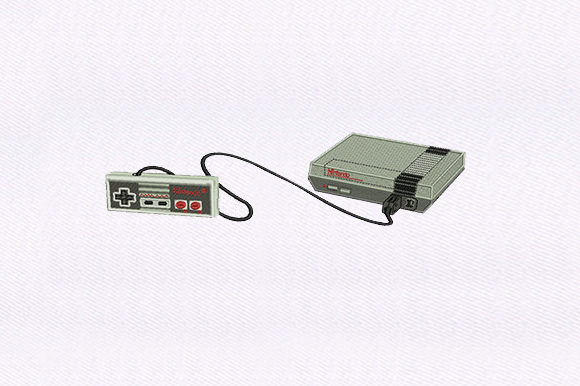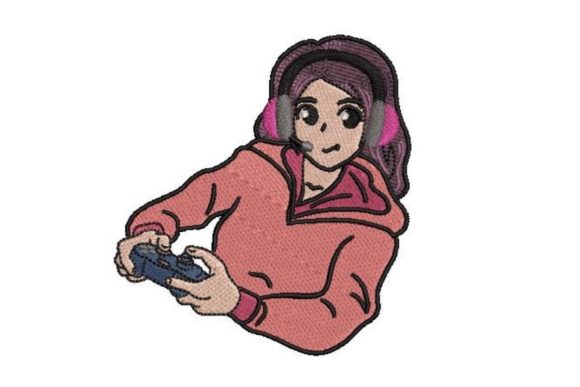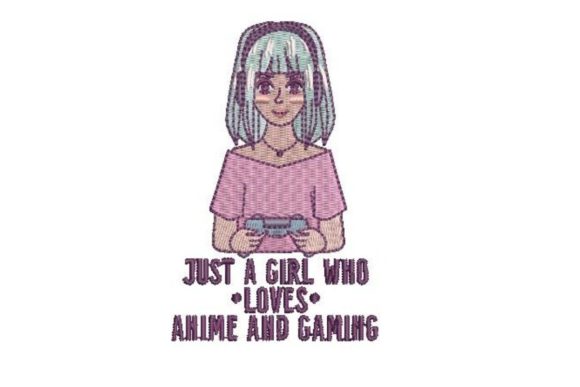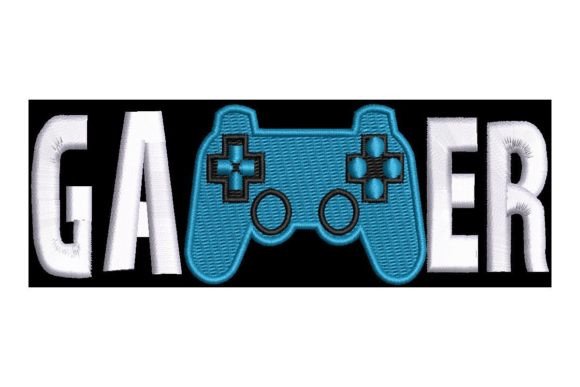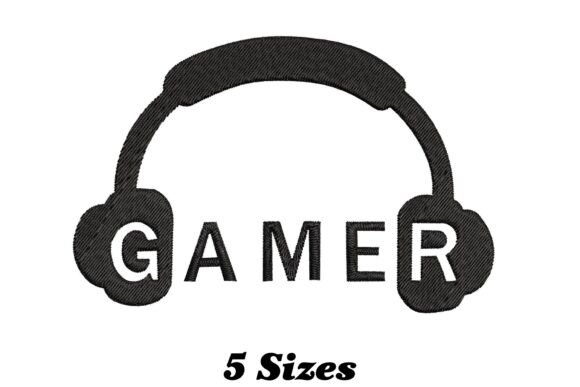
Gamer Gaming Headset
A Craft Fair Designer’s First Look: Bold, Playful, and Instantly Recognizable
As an embroidery designer who’s curated over 200 craft fair booths—from Portland maker markets to Nashville holiday bazaars—I opened the Gamer Gaming Headset design expecting a nod to nostalgia. What I got was sharper: a confident, modern emblem that lands somewhere between playful energy and clean digital minimalism. It doesn’t whisper “gaming”—it grins. That’s gold at a craft fair. Shoppers scanning a crowded aisle don’t pause for subtlety; they lock onto attitude, clarity, and charm. Gamer Gaming Headset delivers all three. It feels contemporary—not retro, not cartoonish, not overly technical—making it ideal for Gen Z buyers and millennial gift-givers alike. Its cheerful tone fits seamlessly into the Games Leisure category without leaning too hard on clichés like pixel hearts or controller icons.
Where It Shines: Product-by-Product Reality Check
In my booth prep, I test every embroidery file across six high-turnover items: tote bags, aprons, tea towels, embroidered patches, fabric pouches, and pillow covers. Here’s how Gamer Gaming Headset performed:
- Tote bag design: Perfect as a centered chest logo (4–5" wide) on natural canvas or black cotton duck. Stands out without overwhelming—ideal for customers who want personality but not loudness.
- Apron embroidery: Works beautifully above the pocket on denim or linen aprons. The shape echoes headset curves, balancing function and fun—especially strong for foodie-adjacent vendors or gaming café pop-ups.
- Tea towel embroidery: Holds up well on medium-weight cotton towels, though avoid placing it near hems where fabric folds may distort stitch definition. Best at 3.5–4" tall to retain legibility amid kitchen steam and frequent washing.
- Embroidered patch: A standout. Clean outlines and moderate stitch density make it crisp when heat-applied or sewn-on. Great for bundling with enamel pins or sticker sheets in small shop product sets.
- Fabric pouch & pillow cover: Excellent focal point on 8x8" pouches or corner placement on 16x16" pillows. Adds instant thematic cohesion to a “geek-chic” home goods display.
It’s less effective on curved cap surfaces unless resized carefully—and I’d skip it entirely for dark fabric unless thread contrast is confirmed. More on that below.
Production Practicality: What Makes This Design Booth-Ready?
This isn’t just about aesthetics—it’s about throughput. As a working embroidery business owner, I need designs that batch well, photograph cleanly, and scale reliably. Gamer Gaming Headset passes that test. Its silhouette is distinct at glance—no squinting, no explaining. That means faster customer engagement at your table and stronger visual impact in Etsy listings or printable mockups. It works equally well as a small accent (2.25" on a keychain pouch) or bold statement (6" on a market bag), giving you flexibility across price points.
Photography? Strong. The balanced negative space and clear contours translate beautifully to flat-lay shots and lifestyle images—critical for digital embroidery file sellers building trust through consistent visuals. And yes, it’s repeatable: no dense fill areas that bog down machines, no micro-details that vanish after three washes. That consistency builds brand reliability for boutique makers and Etsy sellers alike.
Careful-Use Notes: Protect Your Stitch Quality & Customer Trust
Don’t assume this design auto-translates across all fabrics and formats. Before cutting your first production run:
- Test on scrap fabric matching your final product—especially textured towels or thick canvas.
- Check thread contrast on dark fabric; if the description doesn’t specify high-visibility thread colors, assume standard ecru/black/gray and verify readability.
- Review spacing between elements—if lettering or fine lines are present, confirm they won’t merge at smaller sizes (under 2.5").
- Inspect stitch density: heavy fills on low-stabilizer fabrics can pucker or bleed. Use cutaway stabilizer for towels, tear-away for lightweight cottons.
- Confirm hoop size compatibility—some gaming-themed files demand larger hoops than typical home machines support.
- Create at least one real mockup before listing. A photo of Gamer Gaming Headset stitched on your exact tote fabric beats ten stock mockups.
- Compare fabric colors side-by-side: what reads vibrant on screen may mute on oat or heather grey.
- Verify commercial licensing status—this is non-negotiable for any finished product sold publicly, especially in Embroidery or Games Leisure categories.
Why This Design Strengthens Your Handmade Product Line
Gamer Gaming Headset doesn’t just fill space—it elevates perception. When stitched cleanly on a premium tea towel or structured pouch, it signals intentionality, craftsmanship, and audience awareness. Customers associate that care with higher perceived value—even before reading your price tag. In a booth full of florals and script fonts, this design cuts through with joyful specificity. It invites conversation (“Is that for *my* Discord group?”), supports cross-selling (pair with controller-shaped cookies or gamer-themed gift tags), and reinforces brand consistency for creative entrepreneurs building niche authority.
For digital sellers, it’s a smart addition to themed bundles—think “Geek Life Collection” alongside podcast mic icons or retro joystick motifs. For Cricut and embroidery crafters, its adaptability across machine types and fabric types makes it a reliable workhorse—not a one-off novelty.
In short: Gamer Gaming Headset is more than a machine embroidery design. It’s a conversation starter, a visual anchor, and a quietly strategic tool for anyone building a handmade product line with heart—and hustle.